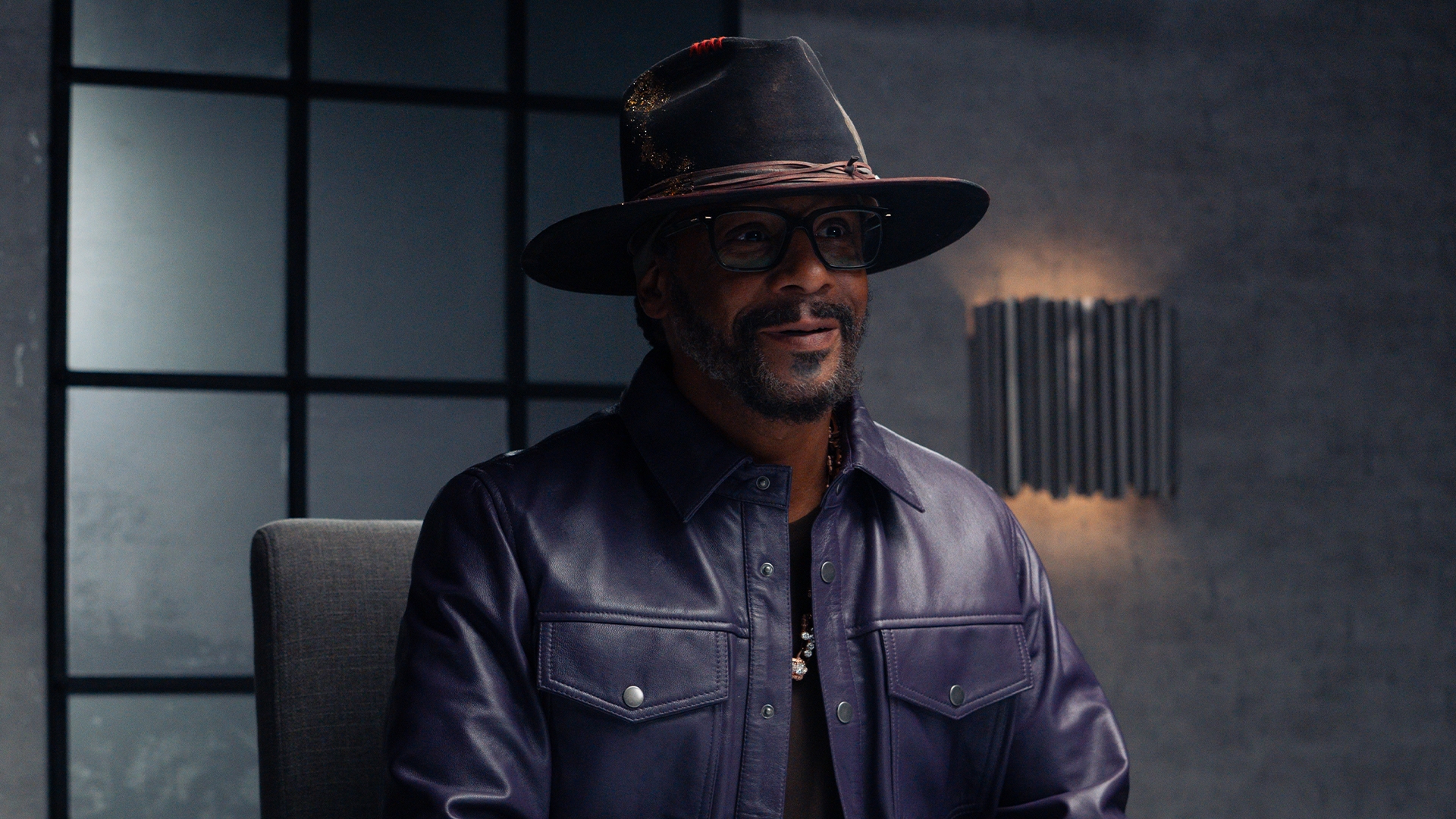
The late “Purple Rain” singer-songwriter Prince advocated for artists to own their work, a mindset that also influenced comedian Katt Williams.
Williams, who was born in Ohio and overcame childhood abuse and escaped poverty, understood how laughter could be healing and provide relief, no matter “what you were going through,” he acknowledged on Steven Bartlett’s “The Diary of a CEO” podcast.
“Comedy made light of all situations, even at a funeral,” he said.
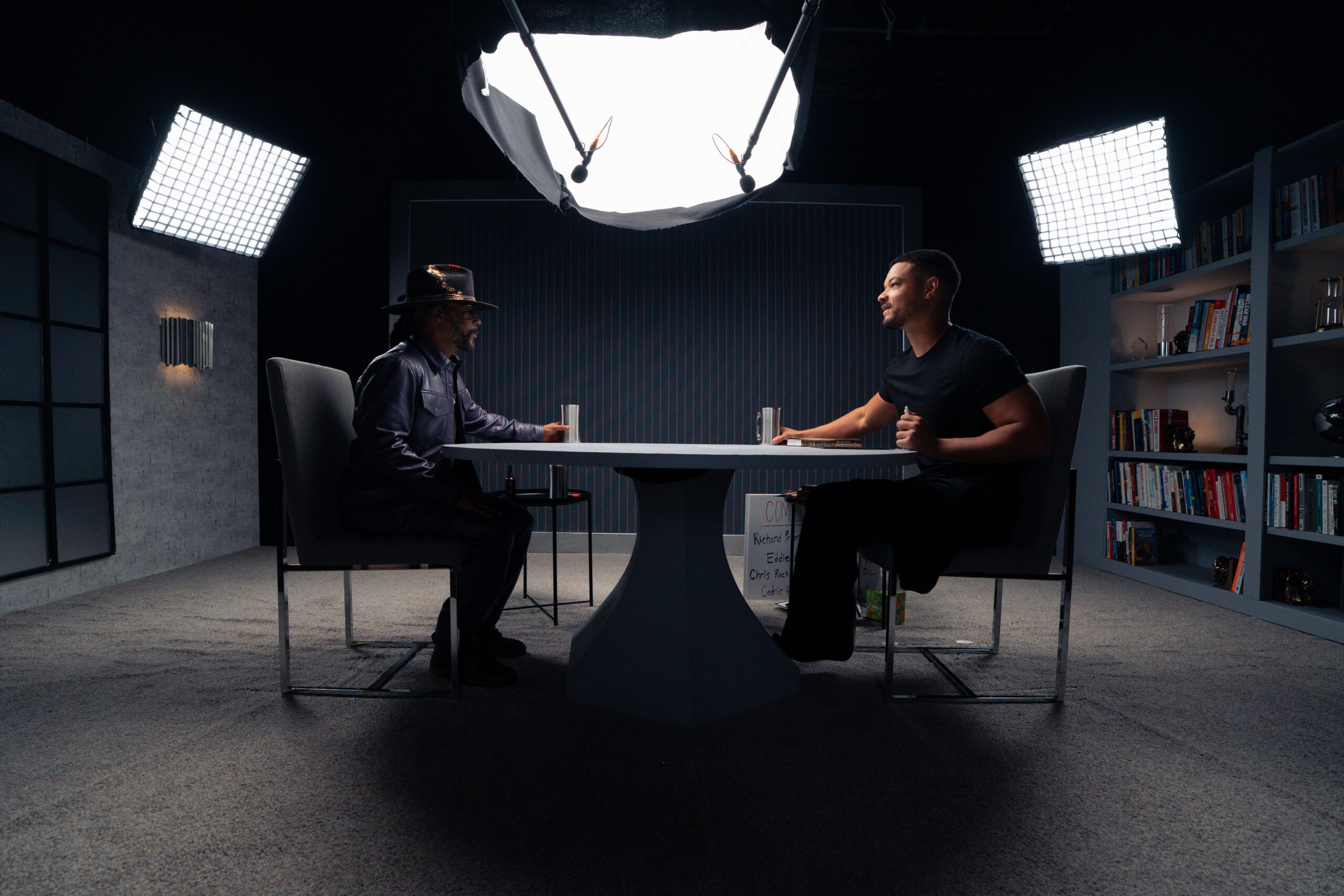
Williams studied 300 comedians he believed were funnier than he was, determined to learn from them and surpass them. The list included legendary comedians such as Richard Pryor, Dave Chappelle, Steve Harvey, Martin Lawrence, Eddie Murphy, Chris Rock, Bernie Mac, and many others.
“The only thing that never fails is if you outwork the people you’re in competition with, you can beat them in this country. … I know that in a 15-minute standup, your name is good for nine laughs, and I know that I’m trying to come in at 16 and 17 [laughs] for the same amount of time. And so I’m not crossing your name off the list until I am outproducing you,” Williams said.
At 20, Williams won a stand-up comedy contest that let him open a show with a five-minute set. However, it would be another six years before he got his big break. In the meantime, he continued honing his craft, performing in cities such as Sacramento and Oakland, CA, where he learned to connect with predominantly white and Black audiences, respectively.
Advice From The Late Prince
By 35, Williams had released his first major comedy special, which he financed out of pocket — a model he would continue for his next eight specials, he shared on the podcast. He credits Prince with inspiring that decision. Williams met Prince before he had a job or any idea what he would do for a living. The musician was “instrumental” in his life and often talked about business and the importance of remaining fully independen
“What he told me was every artist, no matter how successful they are at any given point, what they really wish they could be is independent. And the problem is you started off 100% independent,” Williams said. “You were the only person that believed in you, and then you auctioned off parts of your independence and let other people take ownership in this thing because they believe in it more than you do and they’ll put up the money and so on and so forth. So already before I had entered, I was determined that I would do a good enough job that if no one was beating down my door for these specials that they would still be worth something.”
Williams explained that financing his own specials also gave him creative control, allowing him to choose the right venue and hire the director and producer he wanted to bring them to life. He would then license the specials to networks such as HBO or Comedy Central.
“They would pay me for it, and I had already shot it. So I already am making a profit, and then they were going to put it on their platform for a month, and after a month it then reverts back to me and I could sell it in DVDs. I was so thankful that no one believed in me. I was so thankful that nobody wanted my product because it gave me the opportunity to have it,” he expressed.