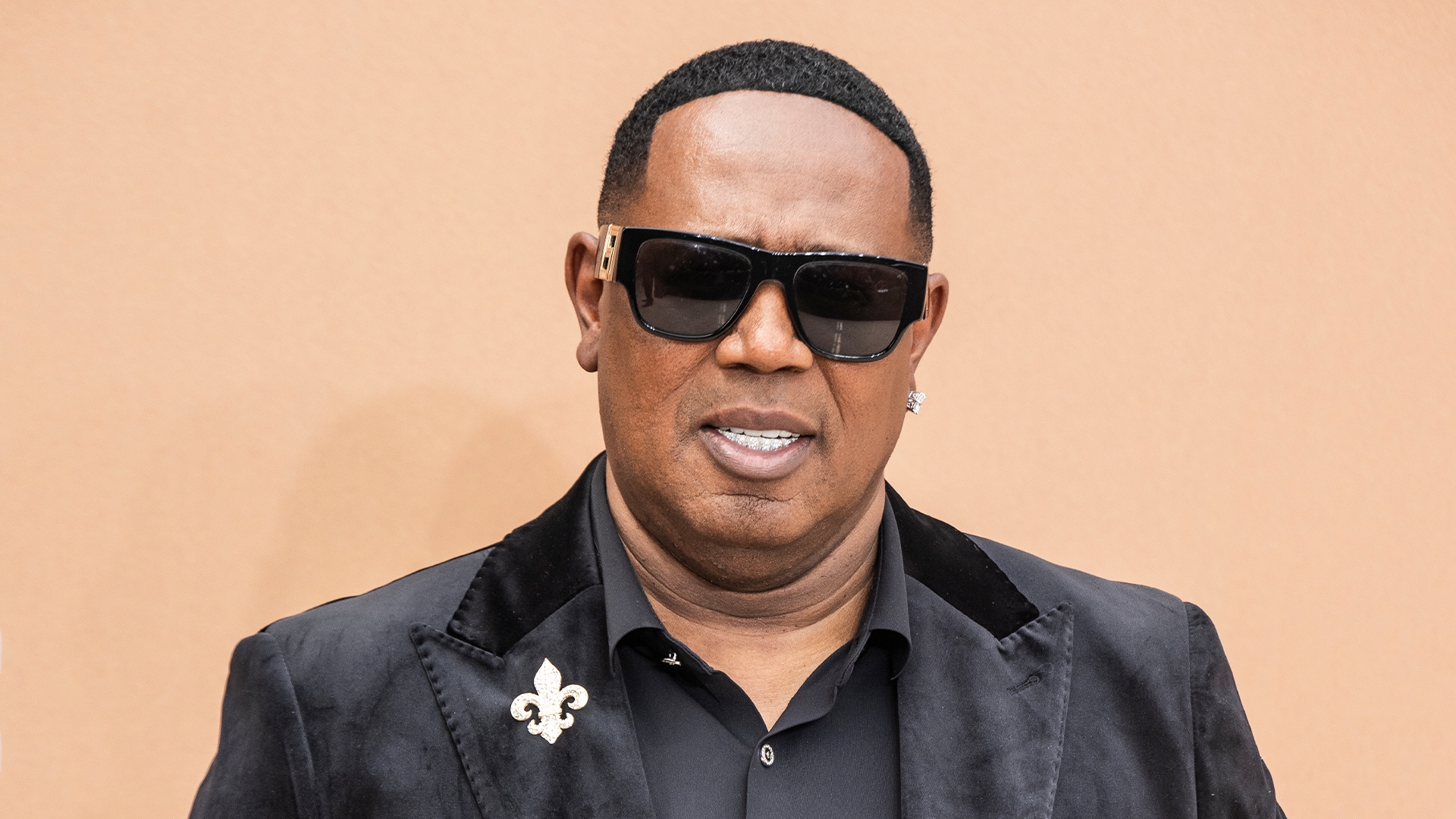
Master P’s conversation with the outlet repeatedly highlighted the importance of ownership. He noted that a Black man named George Crum invented potato chips. Crum was a cook and restaurateur who was born in Saratoga Lake, NY, and created the potato chip after a moment of frustration with a customer led him to cut French-fried potatoes into thin slices before frying them, according to Lemelson-MIT.
While history points to Crum as the inventor of the potato chip, the snack’s legacy of Black ownership isn’t as readily visible on store shelves. Rap Snacks wants to change that. It is available for purchase in 40 cities and national grocery chains, including Walmart, Kroger, Sam’s Club, Target, and more, per AFROTECH™.
“It was a Black man that created the potato chips in New York, right? And he never owned it. So look at all these brands that you have, but for James to have the Rap Snacks and for us to be partners and the adversity that we went through, when you look at an African-American-owned business, it’s all about shelving space, and it’s all about sustainability. And look, after 30 years, still here.”
“Our next goal is to go public. We got to. How are we gonna to stay on the shelves? The next level is taking the company public. We ain’t decide yet, but that’s something,” he told Forbes. “We have to show our people how to bridge the wealth gap. And how we do that, right, if we take this company public, then now we get the local people in the community, the culture to be able to invest into this brand, and then they make money with us, we make it together. And that’s how we bridge the wealth gap.”
“How do you build these Fortune 500 companies? Cause when you look at African-Americans, we only make a tenth of 1% … So, we want to change that narrative,” he later added.