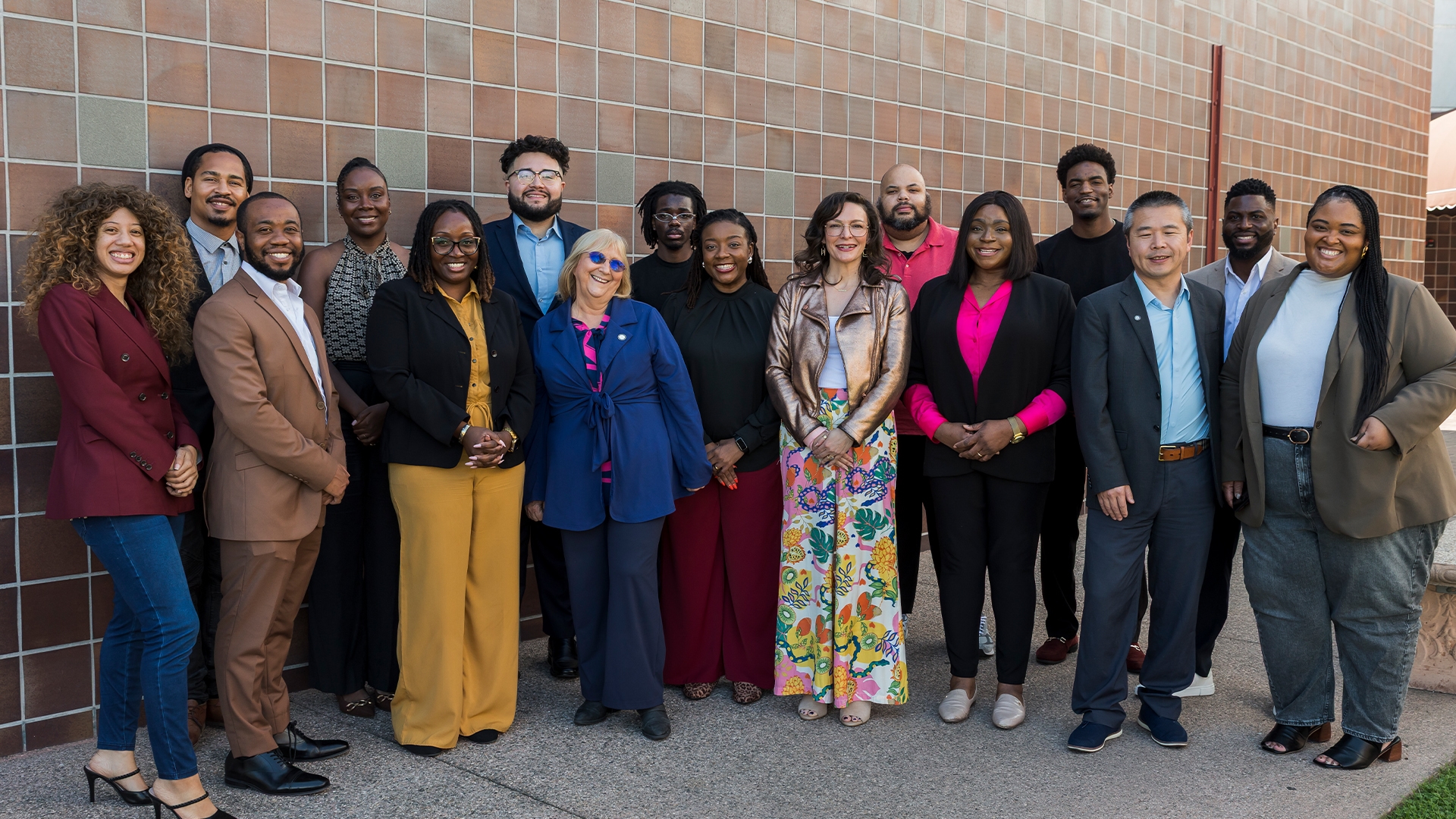
Charles R. Drew University of Medicine and Science (CDU) is launching a flagship accelerator.
Over the past four years, the university, which is the only Historically Black College and University (HBCU) on the West Coast, has been ramping up its focus on biotech and wants to support early-stage entrepreneurs innovating in the sector. So, the Bioentrepreneurship Initiative Pathway (BIP) accelerator has launched through the College of Science and Health with the aid of Kaiser Permanente, which serves as a sponsor, according to information shared with AFROTECH™.
The accelerator will support university students, alumni, faculty, community members, and external participants with ventures not only in biotech but also in healthcare, public health, and community impact, providing solutions for underserved communities across Southern California.
“Across the country, founders from underrepresented backgrounds receive a disproportionately small share of startup funding not due to a lack of talent or ideas, but because of limited access to capital, mentorship, and networks,” said Dr. Monica Ferrini, dean of the College of Science and Health at CDU, according to a press release.
Brittney Miller, program director at CDU, noted that the accelerator is also open to founders launching their ventures, mid-revenue businesses, and established ventures operating for more than 5 years that are looking to scale.
Additional resources available through the accelerator include business model development, mentorship from industry leaders, and networking opportunities across biotech, healthcare, and entrepreneurship.
The program will also include a curriculum that addresses the following:
- Storytelling and pitch development
- Branding and founder identity
-
Investor readiness
- Marketing and go-to-market strategy
-
Regulatory and legal frameworks
-
Commercialization
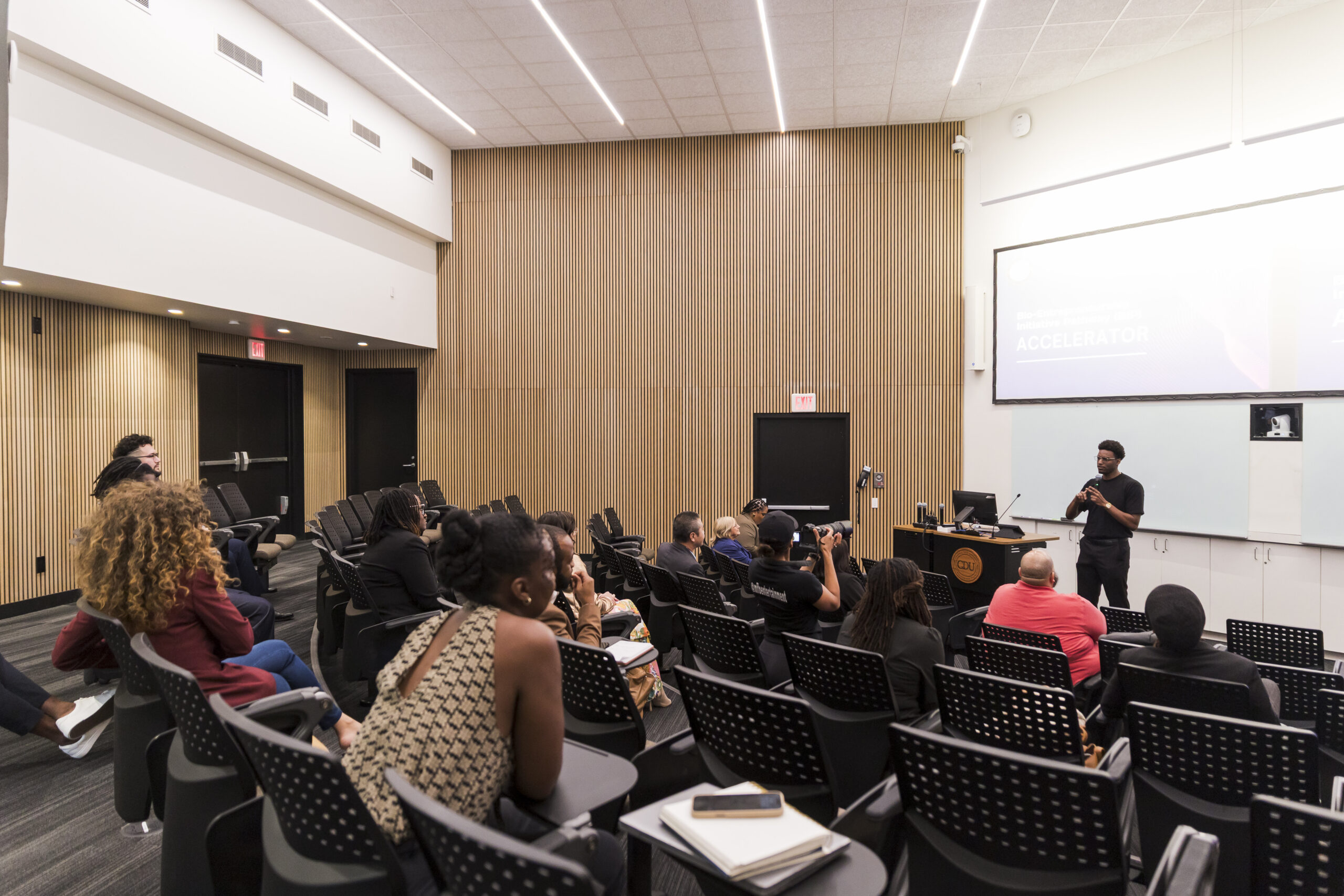
“We’ve largely been in the space of clinical medicine, research, and public health. And then the things that we’re realizing and that need also support and representation are innovation and entrepreneurship … So us leading this is extremely huge because it hasn’t happened before and we are positioned,” Miller said. “I believe we have the expertise and the lived experiences to lead this because we’re helping close the gap by intentionally creating access for entrepreneurs who are often overlooked but closest to the problems we’re trying to solve.”
“It also shifts who gets to be seen as an innovator. We’re not just preparing founders to enter existing systems, we’re helping them build solutions that are culturally relevant, community-informed, and scalable,” she continued. “And so the significance is both representation and impact. And I believe the university is uniquely positioned to bridge community, academia, and industry, you know, in a way that ensures innovation is more inclusive and equitable,” she continued.
Those in the accelerator will also have the chance to compete for $20,000 in seed funding through the university’s pitch competition.