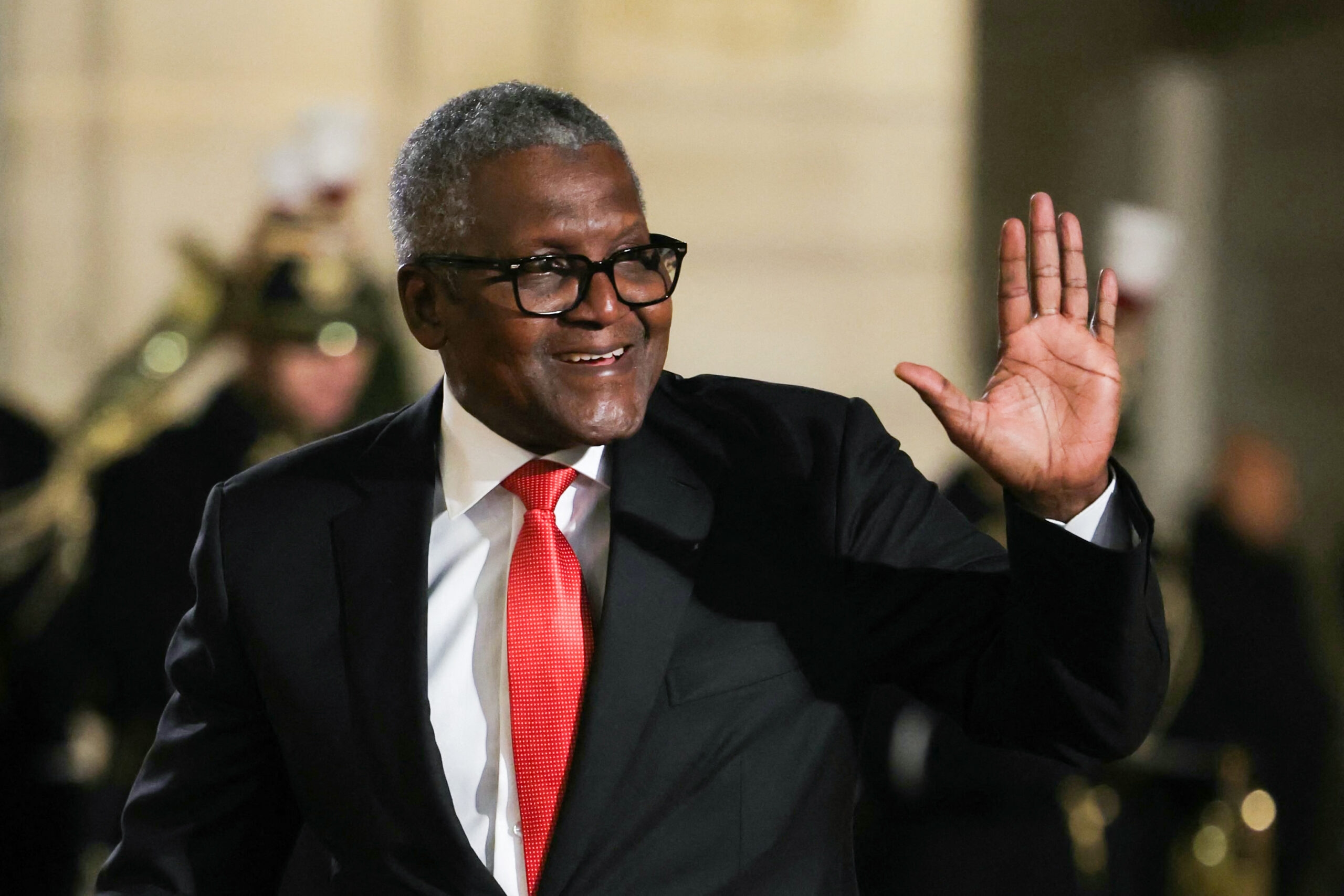
The Aliko Dangote IPO is shaping up to be a landmark event in African stock market history as Africa’s richest mogul lists his flagship asset, the Dangote Petroleum Refinery, on the Main Board of the Nigerian Exchange. Following formal approval from Nigeria’s Securities and Exchange Commission, the public subscription window opens on Sept. 14, 2026, and runs through Oct. 13.
The offer comprises 4.1 billion ordinary shares priced at a fixed ₦525 ($0.40) each, aiming to raise roughly ₦2.15 trillion ($1.6 billion). For retail investors across Nigeria and the global diaspora, the listing presents a rare opportunity to own equity in an energy titan valued between $40 billion and $49 billion.
Who Is Aliko Dangote?
Aliko Dangote is a Nigerian industrialist and Africa’s richest person. Born on Apr. 10, 1957, in Kano, he built the Dangote Group into the continent’s largest industrial conglomerate.
His empire spans cement, sugar, salt, fertilizer and now oil refining. Forbes and Bloomberg have tracked his net worth between roughly $28 billion and $35 billion through 2026. The figure shifts with the day and the method. Either way, he sits comfortably atop Africa’s wealth rankings.
A practicing Muslim who holds the honorific “Alhaji,” Dangote studied business at Al-Azhar University in Cairo. He has spent nearly five decades turning a family trading business into a household name across the continent.
How Did Aliko Dangote Get So Rich?
Dangote started young. In 1977, he used a loan from his family to begin trading commodities like cement, sugar and rice in Nigeria.
That trading business grew into manufacturing. He built salt and sugar refineries, flour mills and a pasta factory. Then he moved into cement, the sector that made him a billionaire. Dangote Cement is now Africa’s largest cement producer, with operations in 10 countries.
His boldest bet came later. The Dangote Petroleum Refinery sits in the Lekki Free Trade Zone near Lagos. It cost about $20 billion and took roughly a decade to complete. It began operations in 2024 and later hit its design capacity of 650,000 barrels per day. That output makes it the world’s largest single-train refinery, and the plant has since tested even higher, at around 700,000 barrels per day. Dangote now wants to roughly double that, to 1.4 million barrels per day. The project reshaped Nigeria’s fuel market, which had long depended on imported refined products.
Is Dangote Going Public?
Yes, but with an important distinction. Several Dangote companies already trade publicly on the Nigerian Exchange, including Dangote Cement, Dangote Sugar and NASCON. The new listing is the big one: the Dangote Petroleum Refinery.
In early September 2026, the refinery signed its offering documents, per CNBC Africa. That cleared a key hurdle toward what would be the largest IPO in African history. The order book opens on Sept. 14, 2026, and closes on Oct. 13. The company is offering 4.1 billion shares at ₦525 each. It aims to raise roughly $1.6 billion at a valuation near $49 billion.
The listing will happen first on the Nigerian Exchange. The offer represents only about 3.3% of the enlarged company, so Dangote keeps overwhelming control even after going public. A private placement in July 2026 had already pulled in $2.5 billion. An international listing is not close. The refinery’s CEO, David Bird, has said a foreign float sits at least three years out. Reports point to London as a possible venue.
One note of caution for anyone eyeing the shares: this is not a steady blue chip. The refinery posted a loss in 2025. It then swung to a large profit in the first half of 2026. Temporary global supply disruptions partly drove that jump. None of this is financial advice, and IPOs carry real risk, so read the prospectus closely.
Who Has The Highest Share In Dangote?
Aliko Dangote himself does. Through his holding company, Dangote Industries Limited, he controls the overwhelming majority of the refinery. According to the IPO prospectus, his beneficial stake sits at about 85.7%. It would ease only slightly, to roughly 84.3%, after the public offer.
The other notable stakeholder is the Nigerian National Petroleum Company, the state oil firm. NNPC holds about 6.8%, well below the 20% it agreed to acquire back in 2021. Dangote has said the stake shrank because NNPC never completed its payment. The company then capped its equity at the amount it had already paid.
That pattern of control runs across the group. Dangote owns about 85% of Dangote Cement through the same holding structure. That setup keeps decision-making firmly in his hands, even for his publicly traded companies.
How To Buy Dangote IPO Shares
For investors in Nigeria, the process runs through the local market. First, you need an account with a stockbroker licensed by the Nigerian Exchange. You also need a Central Securities Clearing System (CSCS) account and a Bank Verification Number. Once those are in place, you fund the account and subscribe during the offer window, which runs from Sept. 14 to Oct. 13, 2026. The minimum subscription is 10 shares, which comes to ₦5,250. The company allots shares after the window closes, before trading begins on the NGX.
Diaspora and foreign investors can also take part, though the setup involves more steps. You typically need a Non-Resident Bank Verification Number, a CSCS account and a SEC-registered Nigerian brokerage. Several fintech platforms now help international investors access the offer. The onboarding takes time, so starting early matters.
Whichever route you take, the official prospectus is the source of truth on minimums, allocations and eligibility. Confirm every detail there before committing money.
Frequently Asked Questions
Was Aliko Dangote born into a rich family?
Yes, Dangote grew up in a prominent Kano trading family, and his maternal great-grandfather, Alhassan Dantata, was one of the wealthiest merchants in West Africa.
How much are Dangote refinery shares?
The IPO is priced at ₦525 per share, about $0.40, with the offer open from Sept. 14 to Oct. 13, 2026.
