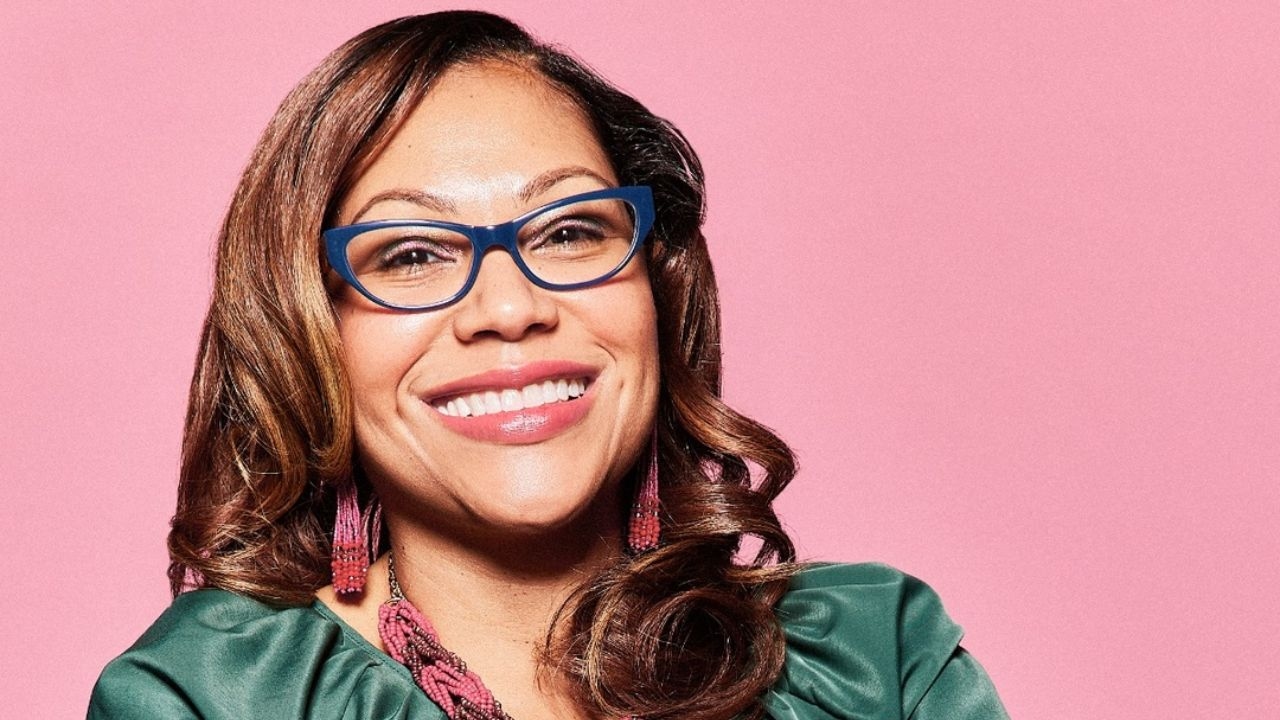
Ten years ago, Dr. Tiffani Bright’s work centered on clinical decision support: rules written by humans and checkable by humans. AI, she said, wasn’t on her radar because it wasn’t in the clinic yet.
That changed fast. By 2018, a machine was allowed to diagnose a patient without a doctor in the loop, Bright told AFROTECH™. By 2019, she said, it was clear those systems could be biased at scale.
“The shift wasn’t that AI got smarter. It’s that we handed it real decisions before we built a way to check its work,” said Bright, an assistant professor of computational biomedicine and co-director of the Center for Artificial Intelligence Research and Education at Cedars-Sinai Health Sciences University. She’s speaking at AFROTECH™ Conference 2026 in Houston.
Who Should Build the Checks?
Bright doesn’t see that gap as cause for panic.
“It doesn’t scare me; it convinces me. If we can build these systems this fast, we can build the system that checks them just as fast,” she said.
She compared it to infrastructure. Trust in AI, she said, “gets built, inspected, and certified, the same way we’d never let a bridge carry traffic without someone signing off.”
“That checking layer barely exists yet. It’s wide open. And the people with the most authority to build it are the ones these systems have failed the hardest,” Bright said. “That’s not a warning. That’s an invitation, and I intend to take it.”
‘Who Does This Leave Out?’
Bright has worked at a federal agency, a city public health agency, a health-tech venture that no longer exists and now in academic medicine. She said the question she brings into every job has stayed the same.
“Whatever the room, whatever the tool, my first question is the same: who does this leave out, and what does it cost them?” she said.
She sees that question at the center of what Black builders bring to tech.
“Much of the harm in health technology stems from systems built in rooms we weren’t in, trained on data that treated us as an edge case,” Bright said. “When we’re the ones building, asking the right questions, and catching what others miss, the technology doesn’t just become more diverse. It becomes more truthful.”
A 10th Anniversary of Her Own
AFROTECH™ isn’t the only thing turning 10 this year. So is the AMIA First Look Program, which Bright built to introduce young women to the field of informatics. She said it has reached hundreds of them.
She traces it back to Dr. Thomas Payne, who encouraged her to run for an elected seat on the board of AMIA, the professional society for informatics. “To me, it was the door,” she said.
“Neither of us waited to be invited,” Bright said of the program and AFROTECH™. “We built the door and held it open.”
Her message to the audience in Houston builds on that.
“You don’t owe anyone gratitude for a seat you earned. What you owe is your voice. So, use it,” she said. “Ask the hard questions, especially the one about who your work might leave behind, because in many rooms, we’re the only ones who’ll ask them.”
Buy Your Ticket Today
From AI to health tech to the business of what’s next, AFROTECH™ 2026 puts you in the room with the people building it. Catch it Nov. 2-5, 2026, in Houston, TX. Get your tickets today!